




500 Women in Property
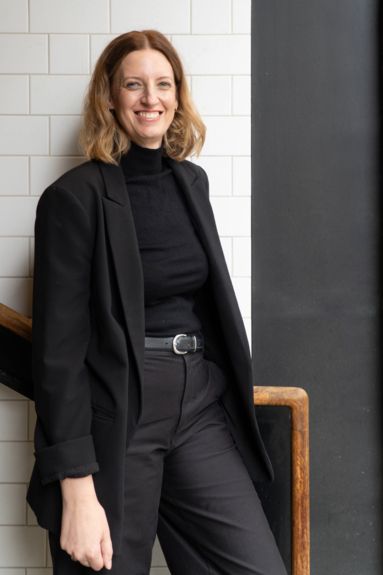
Jayme Debnam
Senior Associate, Interior Designer
SPONSOR: JUSTIN MORGAN, DIRECTOR
Jayme is an invaluable member to our company, having extensive experience across commercial workplace, aged care, residential, and community projects. She is passionate about creating spaces that are both functional and engaging, with a strong focus on client relationships, user experience, and deliverable design outcomes.
ㅤ
Was there a moment when you knew this was the industry you wanted to build your career in?
ㅤ
I’ve been passionate about design for as long as I can remember. My doll house was styled to perfection, our Lego cities sprawled across the lounge room for weeks, I was the only girl brave enough to take design drafting in high school, and my weekends were spent on rooftops learning from my carpenter uncle. The signs were all there that I’d pursue something creative. Unfortunately, I grew up in a town without accessible architecture programs, which meant taking a detour through other creative fields, but I eventually returned to where I belonged: design and the built environment.
How do you balance functionality, feeling and aesthetics in your work?
I think the real magic happens when you stop seeing these as separate boxes to check off. For me, it’s not about “balancing” functionality, feeling, and aesthetics like they’re competing priorities, it’s recognizing that they’re all part of the same conversation.
That’s what Interior Design or “placemaking” means to me. It’s creating somewhere with soul, with identity, with meaning. A place where people don’t just pass through but connect, remember, and belong. Spaces built for feeling are the most functional ones. When you design for how people will feel in a space, not just what they’ll do there, everything else starts to click into place. Does this space support the human moments that actually matter? That’s functionality in its truest sense.
And aesthetics should tell the truth. Designs are stories, right? Beauty should emerge from the authenticity of a place. from being true to who’s using it and why it exists. I’m not interested in applying trendy aesthetics that don’t serve the deeper purpose.
So how do I balance functionality, feeling, and aesthetics? I let feeling lead, ensure function supports authentic human connection, and let aesthetics tell that story.
What trends do you think have real staying power and which ones are more surface-level?
We’re in this interesting moment where a lot of what looks like design trends online are just aesthetics recycling through algorithms, visual echo chambers full of beige on beige or nostalgic vibes. They look good on screen but don’t really have roots.
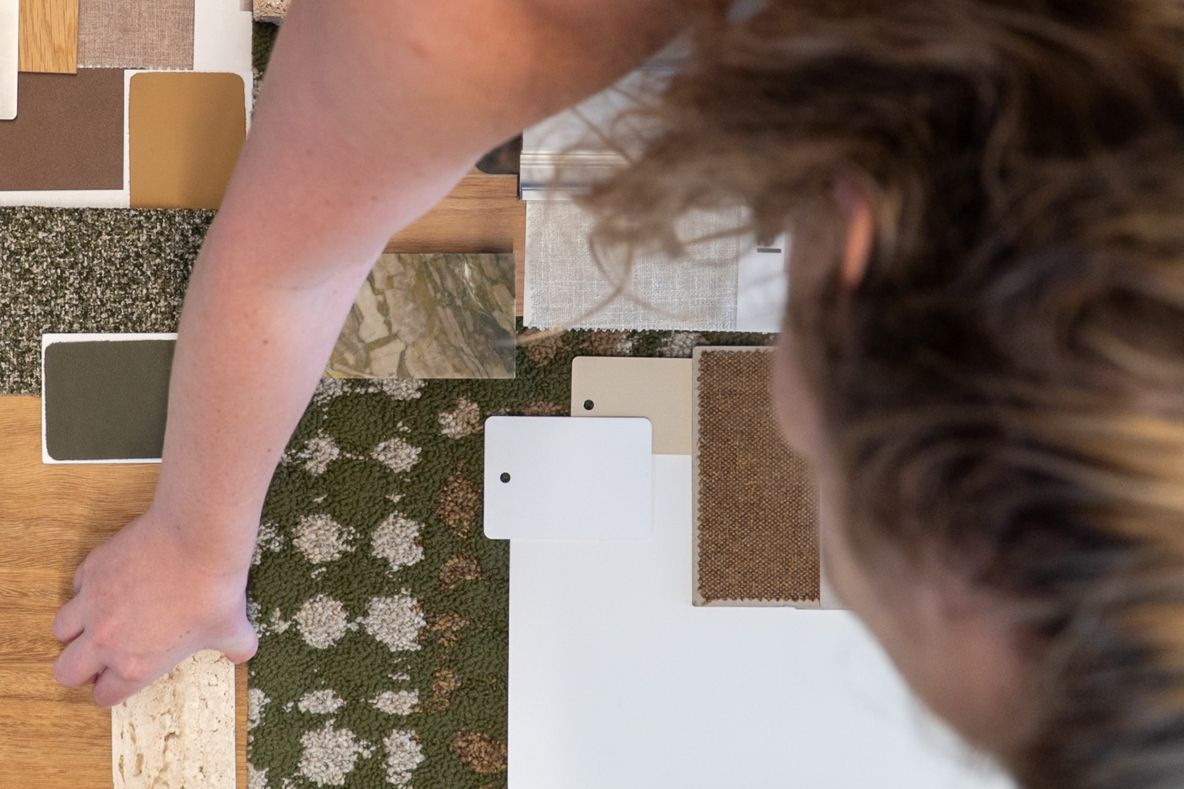
The real movement, I don’t even like calling it a trend, is in authenticity. There’s this growing hunger for materiality, not just as a visual choice, but for what it materials actually means, what stories it tells. When designers focus on feeling, meaning, and origin, when materiality connects to place, to honesty, that’s when choices get made for tactile and emotional reasons, not just visual ones.
That shift from surface to substance isn’t a trend; it’s a correction. The staying power isn’t in any particular aesthetic. It’s in getting back to authenticity, to materials that actually mean something, to things you can feel and connect with, not just scroll past.
What advice would you give to emerging women in property and design?
- Understand your value and I mean really understand it. Not what you think others expect, but what you uniquely bring. Your perspective, your instincts, your way of seeing problems. that’s your edge.
- Absorb as much information as you can. Be curious, learn from everyone around you, and actively find mentors and allies. Real ones who’ll challenge you, champion you, and open doors. Don’t wait for mentorship to happen to you, go after it. And be that person for others coming up behind you.
- And remember: design is not a race, it’s a journey. There’s so much pressure to hit certain milestones by certain ages. But the best work comes from time, depth and experience. Give yourself permission to learn, to evolve, to take the long view and enjoy it.