




Insights 03: Interiors, Atmosphere and Lasting Relevance
Rita Pereira
Associate Director
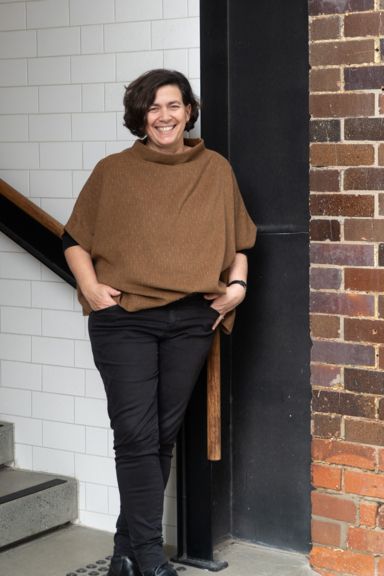
Interiors are often shaped by trends, but what do you believe gives a space lasting relevance beyond the moment?
ㅤ
Interior spaces should be designed to express the life that they are going to have.
Spaces that have lasting relevance tell a story and have an emotional connection with people. Spaces that resonate within people tend to have longevity, because people are drawn back to those spaces. The sound of the floor underfoot, the mood of the light down a corridor, the authenticity of the materials, the interplay of colour all elicit an emotional response within a person, be they a worker in an office, a parent and child in a community space or a group of people meeting in a lobby.
Intentional design combined with a purpose driven layout creates physical environments that meet the needs of the users. The use of human scale, flow and spatial proportions build a connection with the user and contributes to spatial longevity. Thoughtful integration of materiality, lighting, texture all enhances the experience and interaction within that space.
If focus is solely on trends, you risk creating a space that a person only sees but does not experience.
Weaving together emotional connections and intentional design elements create holistic relevant spaces that build memories and shared experiences.
Jayme Debnam
Senior Associate, Interior Designer
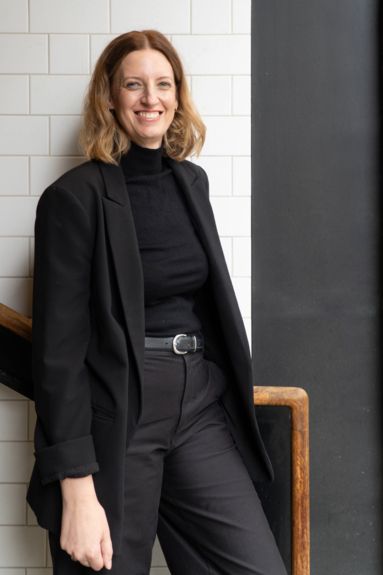
What separates an interior that is simply well-styled from one that genuinely enriches the way people experience it?
ㅤ
It’s really about the difference between design and styling, and they’re not the same thing.
The interiors that stay with you aren’t just beautiful or functional. They have this particular atmosphere, a quality you feel the moment you walk in. Japanese design has a word for it, 間 (ma) – it’s this meaningful void, the pause between things. It’s hard to describe, but you know it when you’re in it.
Styling operates at surface level—it arranges what’s visible. Design shapes how life unfolds within a space.
For me, there are a few things that separate the two:
Functional Authenticity
Design attunes itself to the actual rhythms of life—anticipating needs, removing friction, supporting real behaviours rather than idealised ones. It creates spaces that work, not just spaces that photograph well.
Experiential Depth
Design engages all your senses, not just sight. Like the way light shifts through the day, how a surface feels under your hand, the acoustics of a room or how a space holds you differently in winter than summer. It’s about creating richness you want to inhabit, not preserve. It’s not the staged spaces, it’s the spaces that age well, that adapt, that feel lived in.
Intuitive Proportion
You know when a space just feels right: when the flow between rooms is natural, when furniture draws people together rather than apart, when a sightline makes you curious about what’s around the corner. That’s design responding to how humans actually move and perceive space.
True design lets you be yourself. It feels genuinely inhabited, alive, not staged.
Marcela Cuba-Chen
Senior Associate, Interior Designer
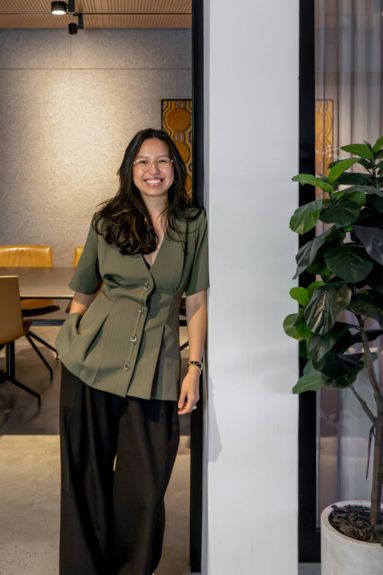
What role do materiality, lived experience, and atmosphere play in making an interior feel meaningful over time?
ㅤ
Materiality gives a space it’s first impression, but it’s really how people live with a space day to day that gives it meaning. From the projects I have worked on, I’ve learnt a student room needs to hold up through the spills, the late nights, with constant rearranging and personalising. Whereas workplaces require flex around how people actually work, whilst maintaining the company identity. ‘The atmosphere’ is created when the two come together, when the right materials create conditions for a great experience. At the end of the day, meaningful design is one that isn’t single wow moment but one that that keeps working well for people quietly, time and time again.
Meg Holloway
Senior Associate, Interior Designer
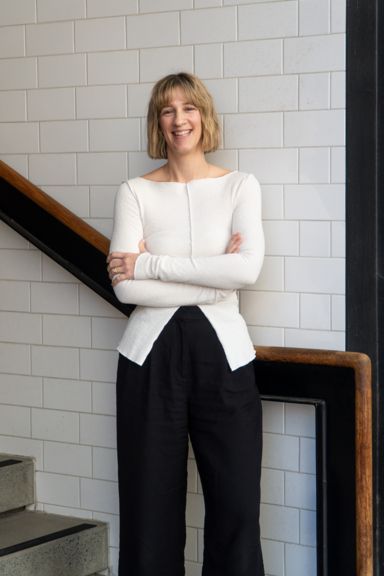
What role do materiality, lived experience, and atmosphere play in making an interior feel meaningful over time?
ㅤ
Interior design has always been about creating spaces where people feel comfortable, traditionally through functionality and appearance. From what I’ve experienced, that has shifted over time into creating an overall experience rather than simply designing a space that looks good.
There was a time when creating an “Instagram moment” was often part of the design brief. Now, the focus is on creating a space where every angle, every detail, and every interaction contributes to the overall feeling of the environment.
It’s no longer just about how people feel in a space, but why they feel that way. Creating a sense of home, even in unfamiliar places, and strengthening the connection to nature have become much more prominent. Bringing natural elements into a space can have a real impact on how people experience it and how comfortable they feel.
My approach to design has naturally become more human-centred. While aesthetics and functionality remain important, there’s a much stronger emphasis on the emotional, sensory, and psychological experience of the people using the space. The goal isn’t just to create something that’s visually appealing, but a space that feels welcoming, comfortable, and meaningful.